Low Budget Podcast Hacks (Don’t Wait to Start!)
XLR mic? Dynamic mics? Interfaces? USB mics? DAWs?
All of these audio terms can all seem so confusing when you’re launching your first podcast.
You have a great show title, millions of topics ready to go, and maybe you have your show plan written out… but the only thing stopping you is your audio situation (or lack thereof).
I have some good news for you!
You can still create an incredible podcast with low-budget equipment and beginner-level skills.
1. Start with a USB mic.
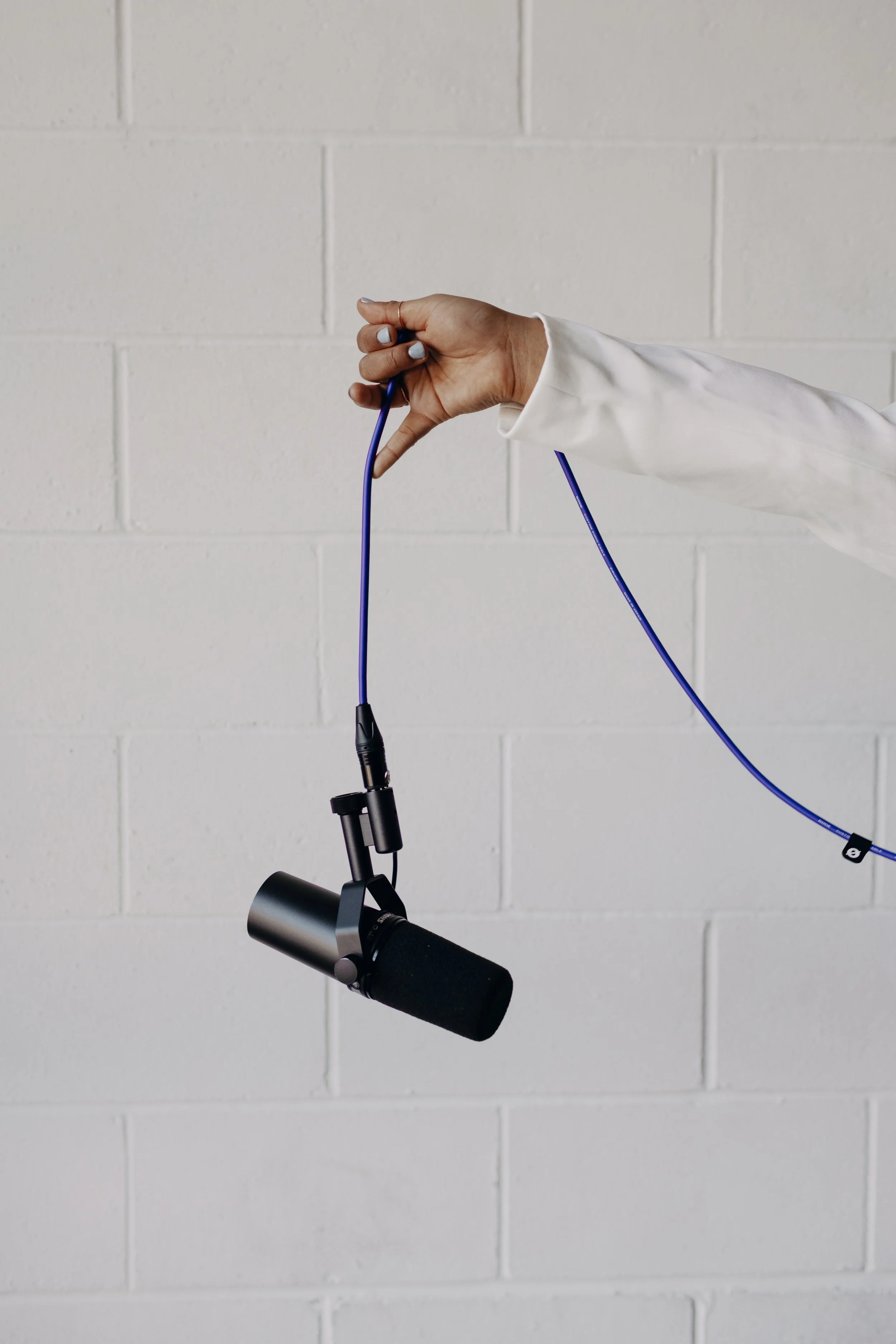
There are two forms of microphones you should know about (for now 😉). XLR microphones use an XLR cable that runs your audio signal (your voice!) through an interface which converts the signal to a format your computer or phone can understand.
Did I lose you? I promise I have a less-confusing alternative, just keep reading!
Although XLR mics are my personal preference (specifically this one) and what I use with my clients in EVERY environment we record in, USB mics are way better for podcasts in their early stages. Lots of popular podcasts STILL use USB mics.
Using a USB mic means less equipment, less of a learning curve, and less things in the way of launching your pod!
I believe it’s better to get equipment that has a lower financial AND energetic cost than to purchase expensive equipment with a massive learning curve.
You can ALWAYS upgrade.
USB mics work perfectly for voiceovers and podcasts and can sound ✨ professional ✨.
I suggest USB mics for folks who are new to audio because:
They don’t require an interface (An additonal cost with a learning curve).
You can plug them directly into your laptop, PC, or phone.
Some of them come with preset settings that automatically make you sound better BEFORE editing.
Some even come with Digital Audio Workspaces (DAWs aka where you edit your audio) built in so you don’t have to buy Logic Pro, Ableton, or whatever fancy program you see podcasts use.
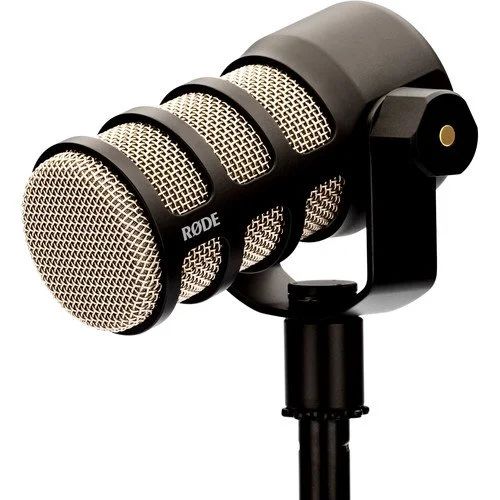
Rode USB PodMic | UNDER $100
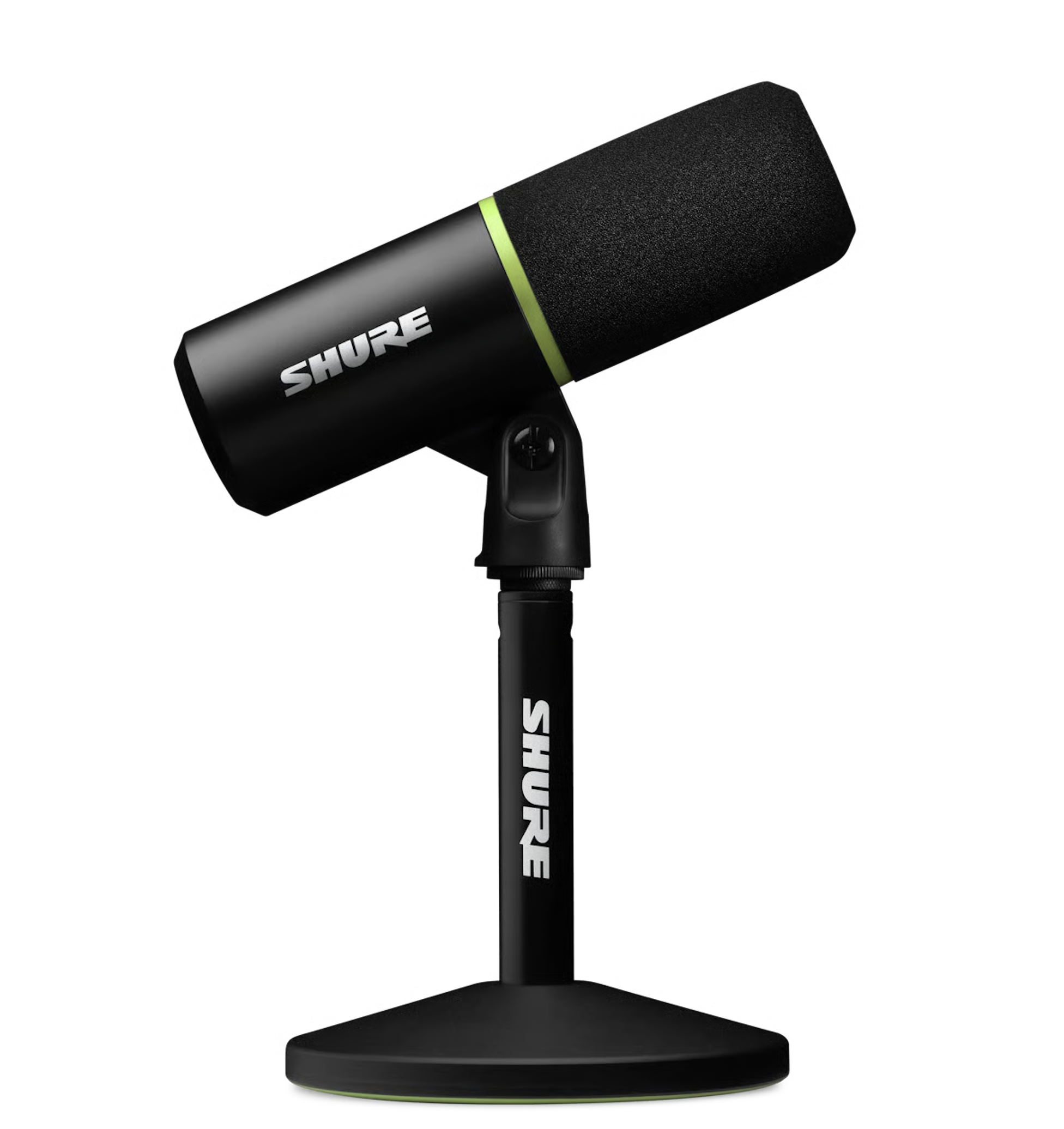
Shure MV7 USB Mic | The “baby” version of my favorite podcasting mic.
2. Use what you already have.
Already have a desk setup? Great! You’re ahead of the game. If not, your living room couch works too!
Take advantage of natural lighting to avoid buying an entire lighting setup.
Record at your desk with your camera set up horizontally and be sure to set quality to a minimum of 1080p. Even though podcasts are becoming more video-focused, lots of people are listening while driving or doing other tasks. Audio is still just as important.
Have an extra rug lying around? Place that on the floor to absorb sounds. You can even hang it on your wall! In desperate situations I have even recorded songs with blankets over my head.
3. Don’t worry about fancy editing equipment yet. Keep it simple.
Iffy audio can be overlooked if the content is good.
The average listener isn’t picking apart your audio like an audio engineer would.
BUT they will hear your neighbor mowing their lawn, your dishwasher running, your fridge buzzing, and a loud echo that distorts what you’re saying. Here are some beginner-friendly technical tips for keeping your audio listenable without getting overwhelmed.
The most important things to focus on at the beginning stage are:
Where You Are Recording
Pretty please, do not record in the empty echoey room in your house.
How You Are Recording
Are you using your iPhone microphone or USB mic while on a shaky walk or are you in a quiet room?
What You Are Recording
At the most basic level, have a plan going into your episode!
I can’t tell you how many times I have pressed record and watched a host immediately lose what they wanted to talk about.
4. Great recording equipment is nothing without an interesting story.
I don’t know about you, but I listen and love tons of podcasts with DIY quality audio.
Some of my favorite podcasts are recorded by hosts in their own home while their baby is asleep and I still listen because I am interested in them, their stories, their businesses, and the vulnerability they explore.
Sure you might be starting a podcast to market your business. Maybe you just want to keep things surface level. But don’t forget that your story is just as interesting or more interesting than what you might be selling.